
Illustrative image
Injectables
Dermal Fillers
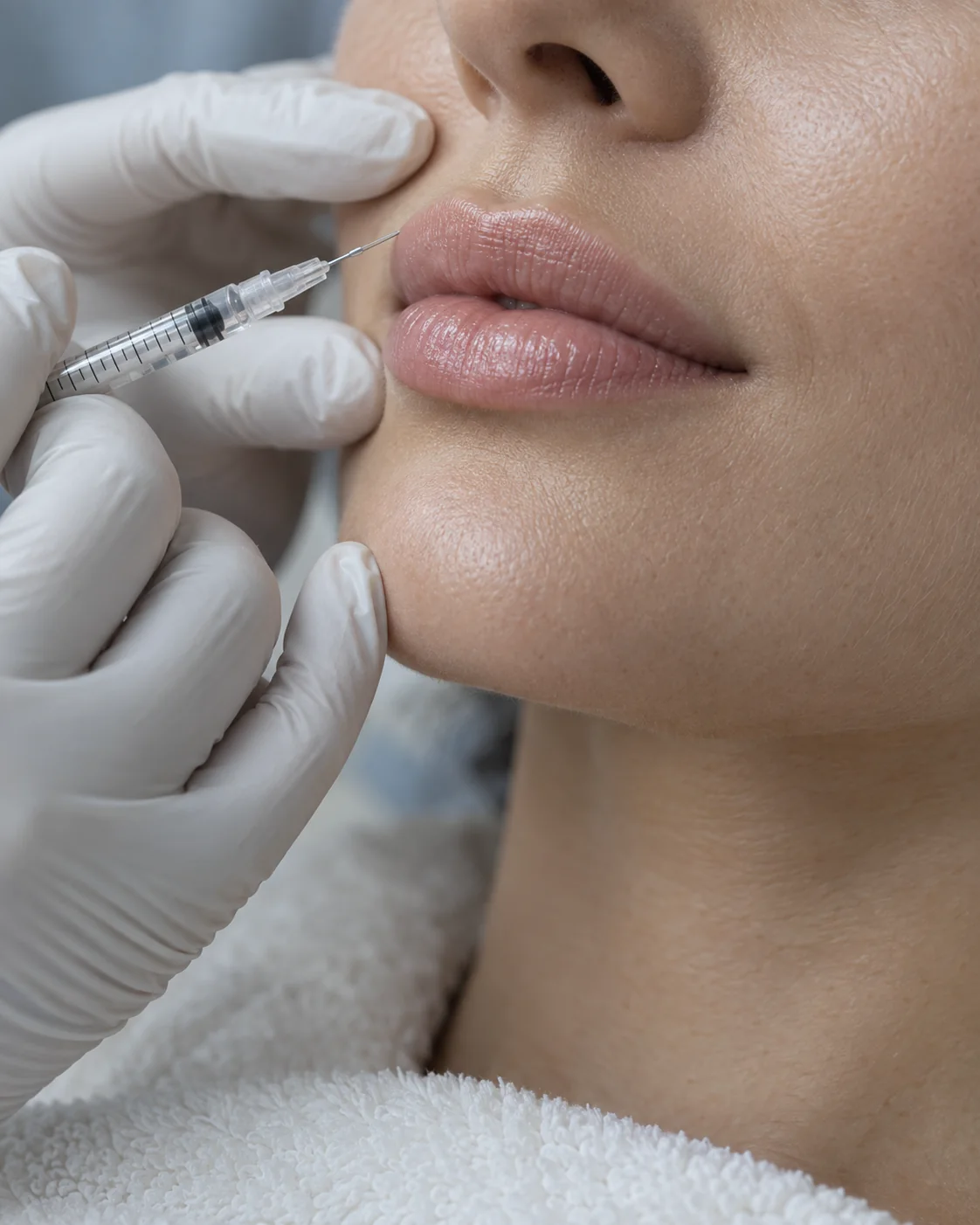
Dermal fillers are gels injected beneath the skin to restore lost volume, soften folds and creases, and add definition to features of the face.
- Price
- From $650per syringe
- Category
- Injectables
- Effect
- Most fillers are temporary
How It Works
Understandingdermal fillers.
Dermal fillers are injectable implants — usually gels — placed beneath the skin to replace lost fullness, smooth folds and creases, or shape and define a feature.
They work differently from neuromodulators. A filler adds volume where it is placed; a neuromodulator relaxes the muscle behind an expression line. Fillers are often considered for lines visible at rest and for areas that have lost fullness, and the two are sometimes discussed together.
Fillers are made from different materials, and these vary in how long they last. Most are temporary and gradually absorbed by the body, so maintaining a result means repeat treatment. The product, amount and placement are decided with your provider.
Bruising, redness, swelling, tenderness and itching are common and usually settle within days to weeks. Lumps and allergic reactions are less common. The most serious risk is filler entering a blood vessel, which can damage skin and, rarely, cause vision loss or stroke.
Commonly discussed at consultation
- The areas you’d like to address and the result you have in mind
- Which filler product would be used and how long it is expected to last
- Medications and supplements, including blood thinners and vitamin E
- Cold sores, bleeding disorders, and any previous filler
Concerns & Suitability
What dermal fillers are used for.
FDA-approved uses for dermal fillers include:
- Moderate to severe facial wrinkles and folds
- Lip fullness
- Cheek volume
- Chin definition
- Volume loss in the backs of the hands
Suitability is individual
Fillers aren’t right for everyone. FDA-approved fillers are for adults, and published guidance asks you to share any blood thinners or supplements, cold sores, bleeding disorders or easily irritated skin. The areas treated here are confirmed at your consultation.
Your Appointment
What to expect.
-
Consultation
Your provider reviews your medical history and medications, examines the area, and talks through your goals — then explains whether filler suits you and the risks involved.
- Share all medications and supplements, including aspirin, ibuprofen and vitamin E
- Mention cold sores, bleeding disorders or previous filler
-
Treatment planning
If filler is appropriate, your provider explains the product they propose, the areas to be treated, how long it is expected to last, and the likely number of syringes and cost before anything proceeds.
- Ask whether the product is FDA-approved for the area being treated
- Ask whether the proposed filler can be dissolved if needed
-
Follow-up
Swelling, bruising and tenderness are common and usually settle within days to weeks. Your provider explains aftercare and which signs need urgent attention.
- Report unusual pain, skin colour change or vision change immediately
- Ask how long to avoid exercise and products on the area
General information only. Your provider will give instructions specific to you.
Pricing
Dermal filler pricing.
Your total depends on your individual treatment plan — the product, the areas treated and the number of syringes. Your provider confirms the final cost with you before you proceed.
Dermal Filler
From$650
per syringe
- Starting price per syringe
- Syringes needed depend on your treatment plan
Sample menu and pricing for demonstration only.
Dermal Filler FAQ
Questions aboutdermal fillers.
General information drawn from published guidance, alongside how bookings and pricing work here. Your provider confirms what applies to you.
View All FAQsAfter the skin is cleaned and a numbing cream is applied if needed, the filler is injected in small amounts with a thin needle at the planned points. Swelling can affect how the area looks for the first few days.
A filler adds volume beneath the skin, restoring fullness or definition where it is placed. A neuromodulator relaxes the muscle behind an expression line and does not add volume. Your provider explains which, if either, suits your concern.
No. FDA-approved uses include facial wrinkles and folds, lip fullness, cheek and chin volume, and the backs of the hands. The FDA warns against using injectable fillers to contour the body or enlarge the breasts or buttocks. The areas treated here are confirmed at your consultation.
Bruising, redness, swelling, tenderness and itching are common and usually temporary. Lumps, allergic reactions and cold sore flare-ups can occur. The most serious risk is filler entering a blood vessel, which can damage skin and, rarely, cause vision loss or stroke — unusual pain, skin colour change or vision change needs immediate attention.
Swelling and bruising are common and usually settle within days, though they can take longer. Published advice includes avoiding exercise and putting products on the treated area for about a day. Most fillers are temporary and gradually absorbed, so how long a result lasts depends on the product and area. Follow your provider’s aftercare.
Dermal fillers are priced from a starting amount per syringe — see the pricing on this page or our Pricing & Packages page. The number of syringes depends on your treatment plan and is confirmed at your consultation before you proceed.
Related Treatments
You may also explore
Take the Next Step
Talk throughdermal fillers.
Book a consultation to discuss the areas that concern you, your history, and whether dermal fillers are suitable for you.